

Why Most People Should Avoid Marcus Aurelius' Meditations
Because Clarity Is More Terrifying Than Failure.

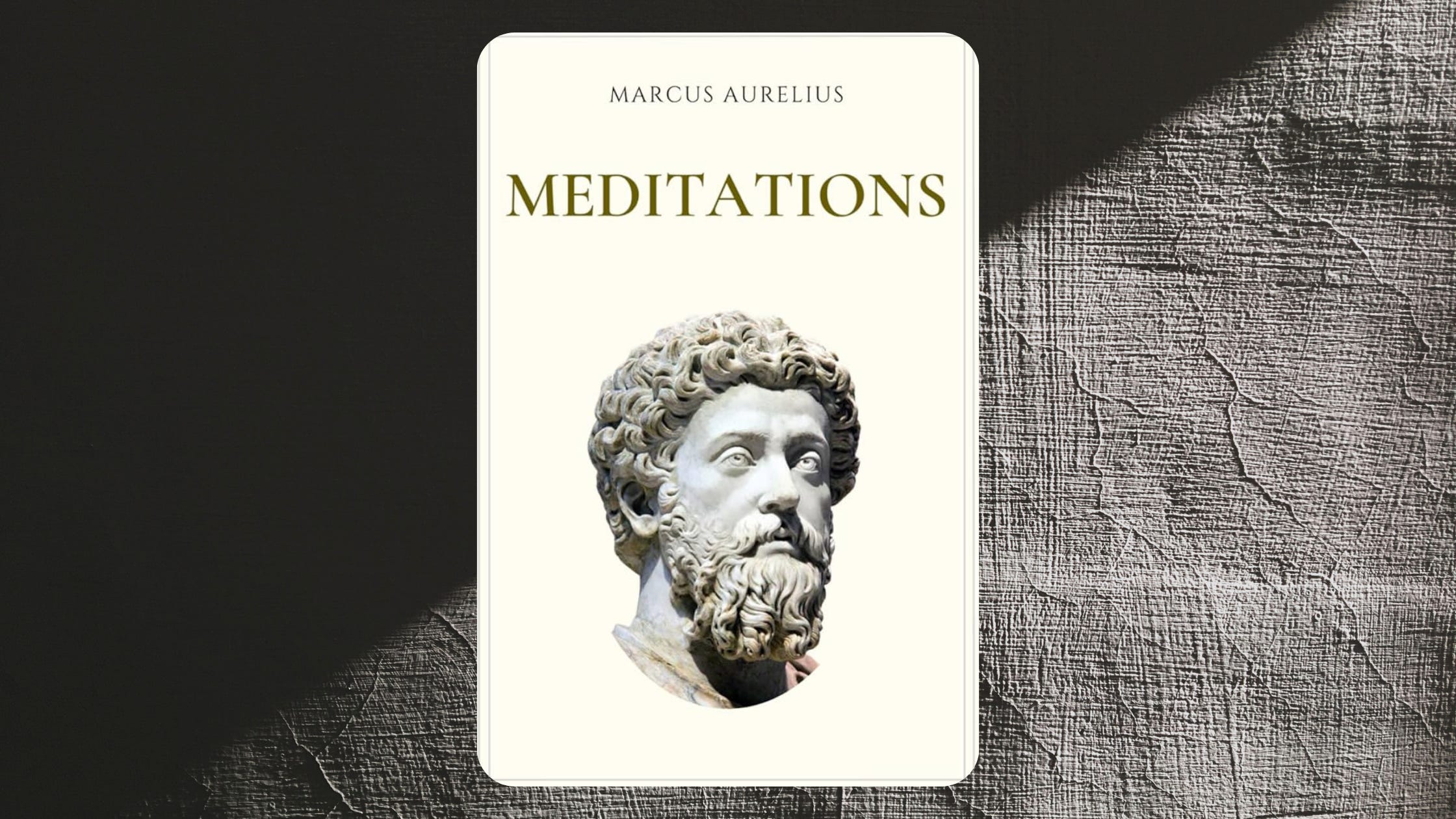
You pick up Meditations because someone told you it would help.
A friend, a podcast, an article about productivity.
They said it would make you wiser, calmer, better at handling stress. They said it changed their life.
You read a few pages. The words feel profound. You underline passages. You take notes. You tell yourself this is exactly what you needed.
Then something shifts.
The words start to work on you in ways you did not expect. They do not comfort. They do not motivate. They strip away the stories you tell yourself about why things are the way they are. They remove your excuses one by one until you stand naked before a simple truth: you are responsible for what you do with your life.
This is when most people close the book.
The book does not offer what we want
We come to Meditations looking for techniques.
We want methods for managing anxiety, frameworks for decision-making, strategies for staying focused. We want the book to give us tools we do not have.
But Marcus Aurelius offers something different.
He offers clarity about what we already possess. He shows us that we already have everything we need. The problem is not a lack of resources or knowledge or opportunity. The problem is how we use what we have.
This realisation terrifies us.
If we already have what we need, then our failure to change means we choose not to change. Our suffering comes not from circumstance but from how we respond to circumstance. Our unhappiness is not imposed on us. We create it through our thoughts, our attachments, our refusal to accept what is.
Most of us are not ready for this level of responsibility.
We prefer the comfort of external blame
When you fail at something, you want reasons outside yourself.
The economy was bad. Your boss was unfair. You did not have enough time or money or support. These explanations protect you. They let you remain blameless while still being miserable.
Meditations removes this protection.
Marcus Aurelius writes from a position of absolute power. He is the emperor of Rome. He has wealth, authority, resources beyond measure. Yet he still struggles. He still faces pain, loss, frustration. He still must work every day to maintain his composure and his principles.
If the emperor cannot blame his circumstances, neither do you get to.
The book makes this clear on every page.
You have agency. You have a choice.
You always have a choice, even when you think you do not.
This truth is unbearable for most people.
The book demands immediate change
Other philosophy books let you hide behind theory.
You read about virtue and wisdom and the good life, and you tell yourself you are learning. You are preparing. Someday, when the time is right, you will apply these lessons.
Meditations allow no such delay. Marcus writes to himself in the present tense. He is not theorizing about how a wise person should act. He is commanding himself to act wisely right now, today, in this moment. Each passage is a reminder to himself: remember what matters, stop wasting time, do what you know is right.
When you read these reminders, they become your reminders.
The book does not let you maintain distance.
You read “stop talking about what a good person is like and be one”, and you know he means you. You read “you have power over your mind, not outside events”, and you know you must accept this today, not someday.
The immediacy is crushing. You came looking for gradual improvement.
The book offers total transformation, starting now.
Most people prefer complex problems
We like problems that require sophisticated solutions.
If our lives are not working, we want to believe we need therapy, or a new career, or a different city, or years of self-exploration. We want the solution to be as complicated as we feel the problem is.
Marcus Aurelius says the solution is simple.
Stop wanting what you do not have. Stop fearing what you will lose. Accept death. Accept pain. Accept that other people will disappoint you and betray you and fail to understand you. Accept all of this and then do your work anyway.
This simplicity feels insulting.
You want to say: you do not understand, my situation is different, my pain is unique. But Marcus knew pain. His children died. His wife was unfaithful. His co-emperor was weak and cruel. His body hurt him constantly. He faced plague and war and the slow collapse of everything he tried to build.
He offers no special dispensation for suffering. He offers only a way to continue despite suffering.
For most people, this is not enough.
The book shows you who you are
When you read Meditations carefully, you begin to see patterns in your thinking.
You notice how often you complain about things you cannot control. You notice how much time you spend imagining future disasters or replaying past humiliations. You notice how you seek approval from people you do not respect and avoid hard conversations and postpone difficult decisions.
The book acts as a mirror.
Each maxim reflects back to you your own evasions and delusions. You read “waste no more time arguing what a good person should be, be one”, and you remember all the hours you have spent in abstract discussions about ethics while acting unethically. You read “you always own the option of having no opinion”, and you remember every pointless argument you inserted yourself into.
This reflection becomes intolerable.
You put the book down. You tell yourself it is too repetitive, too simple, not relevant to modern life. You look for something else to read, something that will let you feel like you are growing without requiring you to change.
What the book asks of you
Meditations asks you to give up the story of yourself as a victim. It asks you to accept that most of what happens to you does not matter. It asks you to stop seeking comfort and start seeking virtue. It asks you to remember every day that you will die, and to let this fact clarify what deserves your attention.
These are not small requests. They require you to dismantle the entire framework you have built to make sense of your life. They require you to admit that much of what you worry about is trivial and much of what you avoid is necessary.
Most people will not do this. They will read a few passages, find them interesting, and move on. They will add Meditations to the list of books they have read and feel slightly more cultured for having done so. The book will change nothing.
Who should read this book?
You should read Meditations if you are tired of your own excuses. You should read it if you are ready to accept that your life will not improve until you improve, and that improvement means something harder than learning new information or adopting new habits.
You should read it if you want to be free. Not free from your circumstances, but free in your response to them. Free from the need to blame others. Free from the need to have things be different than they are. Free from the tyranny of your own desires and fears.
This freedom comes at a high price. It means giving up your self-pity. It costs you your resentments. It costs you all the stories you tell yourself about why you're not the person you want to be yet.
If you are not ready to pay this cost, do not read the book.
It will only make you uncomfortable. You will gain nothing from it except a vague sense that you should be doing more with your life, which will fade as soon as you close it.
But if you are ready, if you have exhausted your excuses and your strategies and your hopes for external rescue, then read it.
Read it slowly. Read it repeatedly.
Let it strip away everything that does not matter until you see clearly what remains.
What remains is you. Your capacity to choose. Your ability to endure. Your freedom to act according to your principles, regardless of outcome.
This is all Marcus Aurelius had.
This is all you have. This is all anyone has ever had.
The question is whether you are ready to accept it.
Getting my copy off my bookshelf and begin rereading it today, thanks for the reminder 🐝
The kind of book I could read again and again — and a very significant representation of it.